When you start seeds in your greenhouse for later planting in the garden, try those new cardboard seed starter pots. When you get ready to plant your seedling plants, you just plant them, pot and all. No more accidently breaking the tender young plants trying to get them out of the starter pots.
You can also buy plants for the garden in bio pots at your local garden center. This helps eliminate all of those pesky plastic plant starter pots .
Tuesday, January 29, 2008
Bio-degradable Seed Starters

Thursday, January 24, 2008
Comfort Breakfast for Cold Winter Mornings
BLUEBERRY MUFFINS
These muffins are especially delicious because of the extra butter and cinnamon in the recipe. They are best served hot with plenty of butter.
Pre-heat oven to 400 degrees.
2 cups sifted all-purpose flour
4 teaspoons baking powder
3 tablespoons sugar
1/4 teaspoon salt
3/4 teaspoon cinnamon
1 cup milk
1 egg, well beaten
1/2 cup melted butter
1 cup blueberries [for variation, substitute any fresh or dried fruit of your choice]
Combine the sifted flour, baking powder, sugar, salt, and cinnamon, and sift again. Combine the milk, egg, and melted butter, and add to the dry ingredients all at once. Stir only enough to moisten. The batter will be lumpy, but do not overmix as it will make the muffins tough. Fold in the blueberries.
Spray muffin tins with cooking spray, or use paper liners. Fill each cup 2/3 full, and bake immediately at 400 degrees for 25 minutes or until golden brown. Makes 12 muffins.
Mulled Apple Cider
It has been very cold here in Missouri this January. Here is a recipe that will take the chill off!
MULLED CIDER
1 qt apple cider
10 whole cloves
1 cup maple syrup
4 cinnamon sticks
nutmeg
Bring the cider and cloves to just below a boil in a saucepan. Add the maple syrup and stir until thouroughly blended. Serve hot in a mug with a cinnamon stick for stirring in each mug.Top with grated nutmeg or nutmeg from a jar. NOTE: a bit of rum will make the drink even tastier for the adults! YUM!!
Winter Comfort for Hands
HONEY AND ALMOND HAND CREAM
This recipe makes a very soothing night cream for dry hands. Melt 2 ounces of honey in a double boiler and mix in 4 ounces of lanolin until thouroughly blended. Remove from heat and allow to cool completely before adding 2 ounces of sweet almond oil. If you prefer a scented hand cream, you may add a couple of drops of your favorite perfume.
Hybrid Rental Cars
If you have the need, personal or business, to rent a car, try a hybrid. Not only will you be responsible for less fuel, you will be helping the environment. Reputable rental companies now offer hybrid rentals.
Wednesday, January 23, 2008
More on Drying and Storing Herbs
Dried herbs are so expensive, but they go a long way. How rewarding to grow your own herbs and then dry and store them for later use. You don't have to have a big herb garden. I grow my herbs in large flower pots. Even if you are not a gardener, but you buy fresh herbs, don't let the leftovers go to waste. Dry them for later use.
Herbs should not be sun dried, as the light destroys the natural aroma. Air drying is the most effective method.
To air dry: Tie 6 to 8 stems of one herb variety in a small bunch. Tie a brown paper bag around the bunch to protect the herbs from the light. It is very important that the leaves do not touch the sides of the bag. Make several holes in the bag for vents. Hang the herbs in a warm, dry, airy room or attic. The herbs will dry in 1 to 2 weeks, depending on temperature and humidity conditions.
Believe it or not, you can dry herbs in the microwave oven! Place the herbs on a paper towel and set them on a microwave safe rack. Microwave on a medium setting for 2 to 3 minutes. Check for dryness. The leaves should feel brittle and crumbly. If they are not dry yet, microwave for 30 second intervals, checking after every 30 seconds until dry. This process actually cooks the herbs, but they can be used with the same success as air dried herbs.
Storage: When the leaves are dry after either drying method, shake them from the stems. Crush the leaves if desired, although whole herbs retain their flavor longer than crushed or ground ones. Store the herbs in small airtight containers away from light.
If stored in a cool, dry, dark place, the whole herbs can stay fresh for up to one year. Do not use old herbs. To check for freshness, just rub a bit between your palms. If there is little or no aroma, the herb is stale and not good to use. When ready to use your home dried herbs, crush or chop the leaves to release the full flavor.
Friday, January 18, 2008
Gas vs Charcoal Barbeque Grills
A gas barbeque grill emits 5.6 lbs of carbon dioxide into the atmosphere per hour as opposed to 11 lbs per hour from a charcoal grill. Cooking out also keeps that extra heat out of the house in the summer, thus making the house easier to cool. The grilling possibilities are fun and endless!
Consider using regular plates and cups when you cook out as opposed to paper, plastic, or foam plates and cups. There are even reusable bamboo plates available, and bamboo is a renewable resource. I know that disposable is easier, but it takes years for plastic or foam plates to decompose and we have to kill trees to make paper plates. Our kids and grandkids will thank us for leaving them a better world.
Upgrading Household Appliances and Fixtures
Please understand that we do not advocate throwing out all of your older appliances and fixtures, as that is bad for the landfills. However, as the need arises to update, consider some of these more environmentally friendly options.
Solar Water Heater
When it is time to replace your conventional water heater, think solar. A solar water heating system will cost more up front, but will save you money in the long run. On average, you should save 50-80% on your water heating bill, depending on how much water you use and the cost of fuel in your area. Also, because the sun is free, you are protected from future fuel shortages and price hikes.
If you are building a new home, or refinancing, the incentives are good, as there are tax breaks for solar powered systems.
Water Saving Toilet
Installing a water saving toilet can save you up to $90.00 per year on water costs. Some new models even give you two flushing options, one gentle and one more powerful.
Electric Lawnmower
When your old lawn mower dies, consider switching to electric. There are neat cordless models which only cost about $10.00 a year to operate.
Did you know that a gasoline powered mower releases three times as many hydrocarbons into the atmosphere per hour as a car?!
To make for less mowing, you could replace some of your lawn with lower maintenance ground cover, such as, clover, strawberries, and ornamental grasses.
Monday, January 14, 2008
Cloth Shopping Bags
I started using cloth shopping bags at the grocery store today. The bags that I bought were very durable and inexpensive. They cost a dollar each and should last a very very long time.
Saturday, January 12, 2008
Herb Garden Recipes
SUMMER SQUASH SOUP
3 medium yellow summer squash
4 cups chicken broth
1 cup chopped celery
3 medium onions, thinly sliced
1 clove garlic, crushed
1 sprig fresh rosemary, minced
chopped thyme to your taste
salt and pepper to taste
1/2 cup chopped parsley
Wash, trim, and slice squash. Steam the squash until tender. Puree the cooked squash in a blender or food processor and set it aside. You should have about 1 1/2 cups puree. Bring the chicken broth to a boil in a large saucepan. Add celery, onions, garlic, rosemary, and thyme, and simmer, covered, for 10 to 15 minutes or until vegetables are tender. Reduce heat to low, add reserved squash puree and parsley. Cook to heat through, and salt and pepper to taste. Yields about 7 cups.
SUMMER SALAD
large basil leaves
ripe tomatoes, sliced
red onions, sliced
green onions, chopped
chives, chopped
1 cup honey
parsley, rosemary, chives, thyme, basil
4 cloves garlic, crushed
sprigs of basil and green onions for garnish
Cover a platter with basil leaves. Arrange slices of tomatoes and red onions so that they overlap. Spread the chopped green onions and chives on top.
Add the herbs and garlic to the honey until it is thick with herbs. Mix with vinegar to make a dressing to pour over. Garnish with sprigs of basil and green onions. This salad is best when the tomatoes are really ripe and the basil leaves are at their peak in late July.
Herbal Oils and Vinegars
I know we are in the middle of winter here in Missouri, but it is time to start thinking about the herb garden. It is fun to try something new, so I want to share some easy recipes for herb infused oil and vinegar. The finished product is decorative, useful, and makes a great gift.
HERB INFUSED VINEGAR
Use a gallon jug, or more than one, depending on how many bottles of herb vinegar you want to make. Place the gallon jug of distilled vinegar in the garden, that's right, just sit it in the garden in the sun. As herbs are harvested, place the leaves in the different jugs of vinegar, and steep in the sun for 1 week. Use a different jug for each variety of herb, or you can experiment with combinations that you like. Then, store the vinegar in a cool, dark place such as a cellar or pantry for two more weeks to let the flavors infuse further. When you are ready to bottle the vinegar, strain out the old leaves and sediment and pour it into smaller decorative bottles that you can seal with a cork. Place a sprig or leaves of fresh herb to each variety to add a decorative touch and add extra freshness to the final product.
HERB INFUSED OIL
Since I love the taste of extra virgin olive oil, that is what I would use for herb infused oil. Some suggest a bland oil, such as canola, saying that the herb flavors come through better. You decide according to your likes. You will pour the oil of you choice directly into your decorative bottles. When herbs are fresh, it will take about two weeks for the flavor to infuse. If the herbs are dry, you must allow about 1 month for full infusion. However, you can speed this up a little by heating the oil just to the boiling point before pouring it over the herbs. Just place the leaves and sprigs, as many as you prefer, into the bottles, and pour the heated oil in with a funnel. As I said before, you need to allow the bottles to infuse for at least two weeks. You can add extras, such lemon wedges or different olives to add an even more decorative touch. Now, you have a tasty marinade or salad oil. You can even use the infused oils for frying.
Thursday, January 10, 2008
Plastic Bags in China
China is banning all free plastic bags. Starting in June the Chinese people will have to pay for the plastic bags. The reason for this is that China uses about 3 billion plastic bags per day, and the bags are clogging things up.
I watched a special about plastic bags ending up in the middle of the pacific ocean in large quantities and causing damage to the sealife.
Bangladesh banned plastic bags about four years ago.
Many of the stores have cloth bags at the check-out stand now in the United States.
Do you think the United States should ban plastic bags?
Tuesday, January 8, 2008
Bird Feeders and Bird Baths
Adding bird feeders and a bird bath to your yard is a great way to help the environment and attract birds. Birds are fun to watch and eat unwanted insects in your yard. In our yard we see cardinals, bluejays, bluebirds, woodpeckers, sparrows, starlings, and crows. The crows are the most entertaining. You can also add a few bird houses. If put them in the right place, the birds will use them.
We really enjoy the hummingbirds. They are so territorial and aggressive! We always plant multiple pots of impatiens around the yard and back deck. The hummingbirds love to feed on these easy to mantain blooms. The hummingbirds swoop all around us as we sit on the deck in the afternoon. We also maintain a sugar-water feeder for the hummingbirds. The only problem we have encountered are the ants getting in the feeder. You can remedy that by greasing their approach to the feeder. Some other birds that will visit the sugar-water feeder are orioles, warblers, and woodpeckers, as long as they can perch to drink.
Subscribe to:
Comments (Atom)
Old Barn
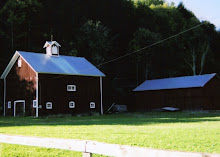
Old Barn In The Country