The soil in your vegetable or flower garden needs organic material to thrive. Compost is the best possible environmentally friendly solution.
A compost pile is simply made up of all the decaying vegetable matter from your yard and garden. Don't worry about odor, as a well constructed compost pile has very low odor.
Composting is a natural process that began with the first plants on Earth. Leaves fall, plants die, animals and insects decay. Layer after layer rots, giving us new soil and new life.
The compost pile is just an intiensified version of this natural process. In a good compost pile, beneficial bacteria break down the material so quickly that odors have no chance to develop.
The most effective way to produce compost is in a bin or container to keep the compost from spreading out.
You can make a square bin from screen or chicken wire and 1x2 lumber. Make two L-shaped sections to make it easier to manage. Simply fasten the two sections together with hook and eye hardware.
The simplest compost bin to construct is a wire mesh cylinder. Use a heavy guage wire mesh, supported with stakes driven into the ground to form an open topped cylinder.
The best height for a compost pile is about 4 feet. A lower pile loses too much heat and a higher one may pack down and interfere with decay. A compost pile is built in layers, with each layer being watered as it is completed.
Compost ingredients:
Start with a 2 or 3 inch layer of coarse material, such as cornstalks, twigs, or straw. The coarse layer is designed to let air flow to the bottom. If these materials are not available, you can use sawdust. Remember to moderately water each layer.
Next, add a 6 inch layer of garden trash or dead leaves. The more shredded the material, the faster you'll have compost.
Over this, add a light sprinkling of synthetic fertilizer, or 2-3 inches of manure. This layer supplies the nitrogen needed for breakdown.
The next layer should be a thin cover of topsoil or old compost. Some people will top this with a sprinkling of lime.
Repeat the layers until your pile is about 4 ft. high. Create a shallow indent in the top of the pile for water to seep in. Moisture is essential for good compost. The pile should always be damp. In dry weather, water it every few days. In very wet weather, cover it with a tarp or plastic.
The pile should be turned with a shovel every week to aerate. This speeds up the decomposition, and keeps odor low.
Compost is perfect and ready to use when the pile no longer gives off heat or odor when opened up. The material should be brown and crumbly.
The end result is the absolute best fertilizer ever for your vegetable or flower garden. Get ready to enjoy the fruits of your labor!
Tuesday, December 25, 2007
Composting 101

Friday, December 21, 2007
Natural Wood Stain
If you have some raw wood or raw wood furniture that you want to lightly stain try this:
Brew a pot of strong coffee. Let it cool. Then brush it on. No fumes and no chemicals.
I think you can also get stain from walnut hulls, but I'm not sure how. If anyone knows, please comment.
Tuesday, December 18, 2007
City and County Vehichles Idling
What are we to do with the local city, county, and state workers that pull up to a work site and get out of their vehicles and leave the vehicle idling? I realize that this is the macho thing to do, and it makes the individual feel important. Maybe they are just lazy. This is not only a waste of gasoline, but also a waste of tax payers money. It also pollutes the air. The running vehicle is also a good target for thieves.
I think we need to politely tell these people to turn off their engines.
Friday, December 7, 2007
Windbreaks
This wind and cold weather that we've been having reminds me that winter is here. With high heating costs, we have to think of everything we can to save a little energy.
A windbreak could save on heating expenses. If you are building a new home, you might consider planting a row of low trees on the north side of your home to shelter you from the cold wind. A row of tall, dense shrubs could accomplish the same, as well as giving you some privacy. You would want to set them back from the house just a little bit, as the shrubs are sometimes not good for the foundation or siding on the house.
A sturdy privacy fence on the north side is another alternative. You will be plesantly surprised as to the energy savings you could see if you block that cold wind.
Tuesday, December 4, 2007
Natural Household Cleaners
You know how expensive, not to mention toxic, most household cleaners are. Why not make your own from a few ingredients you probably have on hand? It's easy and better for the environment, and for your family.
All Purpose Cleaners:
- Mix together vinegar and salt for an excellant surface cleaner.
- 4 tablespoons of baking soda dissolved in 1 quart of warm water makes a good general cleaner.
- Straight baking soda on a damp sponge is a gentle deodorizing abrasive cleaner.
Disinfectants:
- Clean with a solution of 1 gallon hot water or vinegar mixed with 1/2 cup Borax.
- Mix a solution of 1/4 cup lemon juice and 2 cups hot water in a spray bottle, and use as a surface disinfectant.
Glass Cleaners
- 2 cups water in a spray bottle with the juice of 1/2 lemon.
- Straight vinegar in a spray bottle.
- Equal parts vinegar and water in a spray.
Silver Cleaner:
- Did you know that you can clean even your best silver with toothpaste? Just apply with a soft bristled toothbrush and warm water, then wipe clean.
Fragrant Kitchen Rinse:
Place one pint of water in a spray bottle Add one or a combination of the following essential oils, 4 drops per pint of water.
- Lavendar
- Thyme
- Wintergreen
- Lime
- Lemon
- Lemongrass
- Orange
- Grapefruit
- Pine
Use as a rinse after you have cleaned your kitchen countertops.
Friday, November 30, 2007
Save A Bear
 There are several species of bears on the endangered or threatened list. This should be of great concern to all of us.
- The Giant Panda is still considered endangered in spite of programs to increase its habitat and population.
- The world's smallest bear, the sun bear, which lives in southeast Asia is on the threatened list for the first time.
- The Asiatic black bear is threatened due to hunting for his skin, paws, and gall bladder. His habitat is severely shrinking due to human expansion.
- Sloth bears live in parts of India, and are threatened because of severe habitat loss. It is feared that this species has totally disappeared from Bangladesh.
- The Andean bear from the Andes faces a severe threat from agriculture, mining, and oil exploitation.
- The polar bear lives on the Arctic ice cap. Obviously, global climate changes have seriously threatened this beautiful bear.
- The brown bear is listed as not immediately threatened.
- The American black bear is the only other species also listed as not immediately threatened.
Wednesday, November 28, 2007
Herbs: From planting to storage
A herb garden is easy and very rewarding to grow. The wonderful aromas are reward enough, not to mention all the household uses. Most herbs need well drained soil and at least 5 hours of sunlight a day. Herbs can be easily grown in pots as well. In cold winter, tender perennials, such as rosemary and lavendar, must be moved indoors. Hardy herbs can be left outside if trimmed and covered in mulch.
Culinary herbs:
- Basil
- Chives
- Dill
- Garlic
- Mint
- Oregano
- Parsley
- Rosemary
- Sage
- Summer savory
- Tarragon
- Thyme
Fragrant herbs:
- Bergamot
- Geranium
- Iris Florentina
- Lavender
- Lemon balm
- Rose
Medicinal and decorative herbs:
- Camomile
- Comfrey
- Feverfew
- Wormwood
Drying is the tradional way to preserve herbs. For best results, pick the herbs at their peak, just before they start to flower. Snip sprigs of 5 or 6 inches. Do this in the morning as soon as the dew dries, and before the sun gets hot. Wash and shake off the excess water. The leaves can be removed and dried, or whole sprigs can be dried hanging upside down in bunches.
Monday, November 26, 2007
Homemade pesticides and natural repellants
Here are just a few simple homebrews you can make for your yard and garden. These are free of harmful pesticides.
For aphids and mites: Make a spray of one tablespoon dishwashing liquid in one gallon of water. Test the spray on a leaf or two. If no damage results, spray away. For an oil based spray: Mix one tablespoon dishwashing liquid to one cup of vegetable oil. Dilute by adding one or two teaspoons of the oil and soap mixture to one cup of water, and spray on buggy plants.
Cabbage worm: to repel; apply sour milk in the center of the cabbage head. To kill; dust with a mixture of one-half cup salt to one cup flour.
Corn earworm: Apply mineral oil with a dropper to the silk, just inside the tip of the ear of corn.
Garlic and hot pepper spray: Steep one-half teaspoon each of crushed garlic and crushed hot peppers in one gallon water for 10 to 24 hours. Use full strength on woody plants. Dilute 25% for annuals and vegetables. This spray repels many chewing and sucking insects.
To repel moles: Dump used cat litter into the mole's tunnel. They find it offensive, and will leave. Who wouldn't? DO NOT use this method near a food garden, as the litter can spread infections to humans.
To repel rabbits: Plant marigolds in the vegetable garden next to the lettuce and carrots.
To attract bugs that eat other insects: plant sweet alyssum, daisies, marigolds, sunflowers, parsley, fennel, or dill throughout your garden.
Sunday, November 25, 2007
Soy Candles
Soy candles are an evnironmentally friendly product. Soybeans can be grown in a small space. Soybeans replinish the soil by adding nitrogen. Every part of the soybean can be used, even the stubble left in the field! The soybean is an annually renewable product.
Engine oils, fuels, and lubricants are made from soy. These products can replace some petroleum based products, thus reducing our dependance on foreign oil.
Soy is used in many foods and pharmaceuticals. So many of the products we use every day can be made of soy. Soy can be used in plastics, which are much more bio-degradable than conventional plastics.
Back to soy candles! They burn clean, thus reducing toxic soot in your home. Soy candles last longer and hold fragrance better. Since they do last longer, they are more bang for your buck.
Passive Solar Devices
Passive solar devices use little, or no other power source than sunlight collection. Something as simple as a sunroom attached to your house is an example of passive solar design. At any given time, the temperature in the sunroom is 10 to 20 or more degrees warmer than the rest of the house. In the winter, this can help heat the rest of the house on sunny days.
Another example of a passive solar design, is a solar water heater. The flat panel solar collectors are mounted on the roof of the building. The water to be heated circulates through tubes attached to the panels. The heated water is stored until used, or until it needs to be recirculated through the panels to be heated up again.
Passive solar technology is also being used by some state highway departments to operate temporary traffic control systems. Have you noticed those traffic signs in construction zones with the attached solar panels? The device has battery storage capable of operating the sign for up to 30 days without any bright sunlight to recharge it.
Advances are being made every day to bring this technology to homeowners like us. It is exiciting!
Friday, November 23, 2007
Weatherproofing
Here are some easy and inexpensive weatherproofing ideas that will save energy and money.
- Caulking: Caulk between the siding and windows and doors to cut down on heat loss. For large cracks and gaps, use expandable foam that comes in a spray can. It can even be trimmed and sanded.
- Weather stripping: This is easy to cut to length and apply. Use it to seal gaps between moving parts, such as around windows and doors. The weather stripping has an adhesive backing, and is easily cut to fit.
- Insulate electrical outlets: You can buy thin foam outlet covers. They are installed behind the existing outlet cover. There is no cutting, as the foam is already in the shape of the outlet. This is an easy, money saving project that is often overlooked.
- Wrap the water heater: You can purchase a water-heater insulation kit. It consists of a special "blanket" to wrap around the water heater. This saves energy by allowing the water heater to retain more of it's own heat.
- Attic and wall insulation: If you live in an older home, it might be a good idea to have an insulation specialist check the R value of the insulation in your walls and attic. Sometimes, in an older home , the insulation has settled ,or is just not adequate. Updating your insulation can net you big savings on heating and cooling.
Thursday, November 22, 2007
Collecting Rain Water For Your Garden
Rain water seems to make plants grow faster than tap water. Where I live in Missouri, it seems that it is not raining as often as it used to. It will rain three inches at one time, then it won't rain at all for about four weeks. By recycling old metal tubs or ten gallon plastic tubs you can collect rain water when it rains and use this water on your garden. You can even attach little hoses to the collectors and drip the water on your plants.
Marigolds
Marigolds can be planted in the garden to ward off bad insects. Plant around cucumbers, cantaloupes, and potatoes to discourage Japanese beetles and cucumber beetles. Marigolds are an annual and are easy to grow. They have a pungent smell and can be planted in the sun.
Heirloom Vegetable Seed
Heirloom vegetable seeds are older non-hybrid varieties that our ancestors used. These seeds are open-pollinated and they can be saved and planted the following year. Some examples of heirloom seeds are Country Gentleman Corn, Kentucky Wonder Beans, Black Seeded Simpson Lettuce, Marglobe Tomato, and Black Beauty Eggplant.
Wednesday, November 21, 2007
Chickens

Computer Printer Cartridges
Encourage your local stores to carry recycled computer printer cartridges. They are cheaper to buy and save on the land fill. Some stores will refill your cartridges for you at about one-third the price of a new cartridge.
Batteries
When buying batteries, try to buy rechargeable batteries. They can sometimes be charged several hundred times. We have a camping lantern with two lights. It came with two adaptors. The batteries can be charged using a 110 volt outlet or an automobile cigarette lighter outlet. The lantern can also be plugged into a 110 volt outlet, and it will work with out the batteries. We have had the lantern for several years, and have not had to buy any batteries for it.
Tuesday, November 20, 2007
Textiles
Tons and tons of textiles or clothing end up in the land fill each year. We should try to recycle our clothing. Also, in the production of textiles many types of toxic chemicals are used which probably end up in our ground water.
When toxic chemicals are used to make clothing, some of these chemicals stay in the clothing. So when we and our children wear these synthetic clothes, do the chemicals have an effect on us?
A lot of our clothing being made uses a formaldehyde finish. Especially in baby clothing and sleep wear. The formaldehyde gives us our permanent press and is also used as a flame retardant. Formaldehyde can cause headaches and respiratory problems, especially in babies.
So our children are playing with toys that have lead in them, and wearing clothes with formaldehyde in them.
Monday, November 19, 2007
Recycling
On one of my bloggs I had a comment that if a person really wanted to go green then they should try to buy used products when they could. Well, one day while in town I needed to buy a few groceries. I was on my bicycle and home was ten miles away. I had forgotten my back pack. So I went to a used store and bought a used back pack for a dollar. It was in perfectly good shape and served the purpose. I still have the back pack.
World Population
The population of the world right now is 6.6 billion people. How are we able to produce enough food to feed that many people?
The population of the world in 2050 is expected to be 9.3 billion people. Will we be able to produce enough food in 2050 to feed everyone?
It is reported that food prices have increased 23% in the last 18 months. More and more people around the world have jobs now and can buy food instead of growing their own. An example is China. Their middle class is growing.
Has the production of ethanol for fuel caused food prices to increase? Eggs have doubled in price over the last year. Chickens eat corn to produce eggs.
Friday, November 16, 2007
Population
Some blogger's have stated that the current going green trend could be just a conspiracy by certain people of power in our society, and this could be true. Some say that the current weather conditions are just part of a cycle that happens to the earth over time. This could very well be true. Some have said that they don't want the government telling them what to do. Well so far I don't think the government has really told us what to do when it comes to going green. They don't seem to be to concerned yet. But when they do become concerned you can bet that we the people will be asked to solve the problem. So maybe it would be good to learn a little bit about becoming green before were asked.
I was born in 1942 and I remember the 50's, 60's, 70's, and 80's. I remember in the 50's going into the woods on a hike ,and drinking water from a spring when I got thirsty. I don't think I would do that today without purifying the water. In fact ,the spring might not even be there any more. They seem to be disappearing.
In 1950 the population of the United States was about 150 million people. In 2006 the population of the United States reached 300 million people. It is estimated that by 2050, the population will reach 420 million people. I wonder how many more trucks will have to be put on the various roads to supply goods and services to these additional people? In September I traveled I-70 from Pennsylvania to Missouri. Much of it was solid traffic. How many more super tankers will be needed to bring in oil to run these vehicles, and the vehicles of all the people?
About two weeks ago I saw a map on a weather station of the amount of airplanes in the air at that given time. I couldn't believe the amount of planes that were in the sky. Where are all these people flying to? The planes were all using jet fuel or oil. What will the skies be like in 2050?
When the populations of the other countries of the world increase, will we be able to get the goods and services that we need? If not, will we be able to produce these products ourselves?
Thursday, November 15, 2007
Grow A Herb
Sweet basil is an easy herb to grow. You can grow sweet basil in a pot just by sowing the seeds and keeping it watered. Basil likes hot weather, so leave it out in the sun. When the leaves have grown tall enough cut with scissors from the top. The plant should continue to grow. Don't let the leaves go to seed. Keep them cut.
Basil can be used to make a delicious spaghetti sauce or you can use it to make a vinegar.
Straw vs Hay For Mulch
If you use hay to mulch your garden, then the seeds from the hay will grow in your garden. This isn't good, because you'll have to weed it out. Straw is best, because it has fewer seeds in it.
Even though straw is supposed to have no seeds in it, there will still be a few.
Cucumbers From The Garden
Cucumbers are a very easy vegetable to grow. I plant my seeds in hills. Each hill is about six feet apart. If you plant a bush cucumber, you could probably plant the hills about three or four feet apart. I put about ten seeds in each hill, and when the plants get about four inches tall I keep the three nicest looking and pull the others out. Putting mulch around the hills keeps the cucumbers out of the dirt and protects them from rotting. Cucumbers need lots of water.
Working In The Garden
Perhaps one of the best ways to go green is starting a garden. If you have never had a garden before, start small the first year. Growing your own tomatoes is a good way to start. There are many varieties to choose from: Rutgers, Better Boy, Big Boy, Early Girl, Beefsteak, and Cherry.
Try not to put the plants out too early, because a frost will kill them. Also they don't do too much until the weather warms up. They just sit there and look cold. Tomatoes need a loose soil and lots of sun to do well. Add some sand to your soil. I planted tomatoes in the garden last year and in large containers near the patio. The container tomatoes did very good, and the plants were very healthy looking. The tomato plants in the garden didn't look as healthy, but they still produced. I plant my tomato plants about four feet apart in the garden. When the nights get warm, you can mulch them with straw.
Thursday, November 8, 2007
Shorter Showers And Lower Heat
If you want to save energy, then take shorter showers. This will save on hot water. Lower your thermostat and put a sweat shirt on in the house. This will save propane or oil or electricity. I had a comment on a local blog from a person and she said that she didn't have the money to go green. Well, if you take shorter showers you will save money on your water bill and on the cost of heating the shower water. If you lower your heat, you will save money on your heating bill. If you dry your clothes on a clothes line, you will save money on the electric dryer heat. If you start making foods from scratch, you will save money by buying bulk. Also, the package goods are a lot more expensive than the bulk goods, because they are putting all the chemicals in the food and you aren't. Chemicals cost money.
Start Making Foods From Scratch
Start making various foods from scratch. Foods like pancakes and waffles. Make your own home made bread and home made pasta. Buy incredients in bulk. This will save packaging.
Instead of buying a box of brownie mix or cake mix, make them from all purpose flour that you bought in bulk. You'll also find that you might feel better, because you won't be putting all the chemicals in your home made food that the big companies put in. Most store bought foods contain any where from ten to fifty ingredients, and most of them are chemicals and preservatives. You'll be using basics: flour, salt, sugar, baking powder, butter, and cooking oil. I don't know why the food companies need to use so many additives. Make home made chile and home made chicken noodle soup. Buy a chicken and some carrots and some celery and an onion and make the soup. Make some home made noodles. It will taste so much better than what you get out of a can. Then make some home made bread to go with it. Good luck.
Turn Off Lights
When you leave a room, turn off the lights. This saves energy. Encourage your children to do the same. This will also save you money. Go to town in the evening and find out which companies have too many lights on at night. Visit them and politely ask them if they really need all those lights at night. Ask them to join the effort of turning off some lights, and saving energy in your community.
Leaf Vacuumer
I bought a leaf vacuum machine. It sucks the leaves up, crumbles them all up, and pulls them into a bag. Then I dump the bag into my compost pit or the garden. It's pretty efficient compared to raking and stuffing the leaves into a bag and taking them to the garden. With the vacuum the leaves are crumbled enough that they will decompose by spring.
Wednesday, November 7, 2007
Clothes Line
Dry some of your clothes on a clothes line instead of using the dryer. The clothes might even smell fresher. You might even save money by not using as many dryer sheets.
Also wash your clothes with cold water, because many of todays detergents are designed for cold water.
Wash full loads to save energy.
Don't use too much detergent. This could save having to do an extra rinse.
Reuse Your Water Bottle
Refill that water bottle that you carry at least a couple of times. Or better yet buy a heavy duty water bottle and refill it all the time. Those plastic water bottles go to the land fill and who knows how long they lay there.
Replace Ordinary Light Bulbs With Fluorescent
Replace the ordinary light bulbs in your house when they burn out with the new energy efficient fluorescent light bulbs.
Television Commercials
Watch the commercials that companies put on television, and if the company is putting things that are not green in the commercials, then don't buy their products. Some companies want you to think that they are working on the problem, but maybe their only telling us what we want to hear.
Companies That Are Green
Start identifying companies that are truly green, and try to do business with them. Do these companies recycle their waste products? Do they use green packaging in their processes? For example, some companies use recycled computer paper or recycled napkins.
Save On Plastic Bags
When you go to the grocery store, take along reusable cloth bags to put your groceries in. This will mean that one less bag will end up in the land fill, or if the store uses paper bags, you might eventually save a tree.
Tuesday, November 6, 2007
When waiting in Car.
When your waiting in your car for some one, turn your car engine off and save gasoline. Also you'll put less pollution in the air. When waiting at the bank drive-thru, or for your children at the local school turn the engine off.
Friday, November 2, 2007
Fast Food Restaurants
Reduce the amount of times you go to a fast food restaurant. Fast food restaurants use too much packaging material to serve your food. This packaging material ends up in the land fill which is not good for the environment.
Thursday, November 1, 2007
Wednesday, October 31, 2007
Home Made Applesauce
Get about five pounds of apples. Peel the apples, take the core out, and cut them up into small pieces. Put the apples in a pot with about one cup of water and boil for about twenty minutes or until they become soft. When the apples are soft, continue to cook until most of the water is gone. Then add about a half cup of brown sugar and some cinnamon to taste. Simmer and stir until you have the desired consistency.
Use Your Local Farmers Market
I know it's hard to get up early on a Saturday morning, and go to your local farmers market in town to buy baked goods and produce. But this is one way to reduce the amount of goods being shipped in from far away, and thus we save energy. Also,the baked goods and produce might be of better quality than the stored bought items.
If you can, locate an apple orchard near you, and go out and buy a bushel of apples. Make your own apple sauce. It's easy to make apple sauce. Now you have preservative free apple sauce. Take your apple sauce to the farmers market and sell it.
Tuesday, October 30, 2007
Start A Compost Pile
Starting a compost pile for your garden is an excellent idea. The results will make your garden grow better, and the trash man will not have as much to pick up each week.
A compost pile could consist of straw, coffee grounds, leaves, egg shells, old garden produce, potato peals, horse manuer, and any other organic material. The pile should be turned about every week or two, and should be kept moist. When the pile turns to dirt, put the dirt on your garden.
Start A Small Garden
Each year more and more food items are being imported from foreign countries. Everything from tomatoes to onions are transported into the United States by trucks. This takes gasoline and produces pollutants in the air.
Start a small garden in your back yard or on your patio. Tomatoes are easy to grow. You can even grow them in containers. Cucumbers, zucchini, green beans, and peppers are all easy to grow. The more we grow at home, the less we have to import. The fewer trucks on the road, and the less pollution.
Automobiles in the United States
If we want to go green in the United States, we need to reduce the number of eight-cylinder automobiles on our roads. Many people are driving V-8's that don't really need all that power. I have a four cylinder automobile that gets 40 miles to the gallon of gas, and it will go seventy miles per hour.
Old Barn
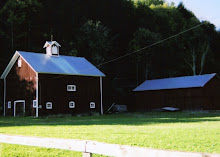
Old Barn In The Country