The soil in your vegetable or flower garden needs organic material to thrive. Compost is the best possible environmentally friendly solution.
A compost pile is simply made up of all the decaying vegetable matter from your yard and garden. Don't worry about odor, as a well constructed compost pile has very low odor.
Composting is a natural process that began with the first plants on Earth. Leaves fall, plants die, animals and insects decay. Layer after layer rots, giving us new soil and new life.
The compost pile is just an intiensified version of this natural process. In a good compost pile, beneficial bacteria break down the material so quickly that odors have no chance to develop.
The most effective way to produce compost is in a bin or container to keep the compost from spreading out.
You can make a square bin from screen or chicken wire and 1x2 lumber. Make two L-shaped sections to make it easier to manage. Simply fasten the two sections together with hook and eye hardware.
The simplest compost bin to construct is a wire mesh cylinder. Use a heavy guage wire mesh, supported with stakes driven into the ground to form an open topped cylinder.
The best height for a compost pile is about 4 feet. A lower pile loses too much heat and a higher one may pack down and interfere with decay. A compost pile is built in layers, with each layer being watered as it is completed.
Compost ingredients:
Start with a 2 or 3 inch layer of coarse material, such as cornstalks, twigs, or straw. The coarse layer is designed to let air flow to the bottom. If these materials are not available, you can use sawdust. Remember to moderately water each layer.
Next, add a 6 inch layer of garden trash or dead leaves. The more shredded the material, the faster you'll have compost.
Over this, add a light sprinkling of synthetic fertilizer, or 2-3 inches of manure. This layer supplies the nitrogen needed for breakdown.
The next layer should be a thin cover of topsoil or old compost. Some people will top this with a sprinkling of lime.
Repeat the layers until your pile is about 4 ft. high. Create a shallow indent in the top of the pile for water to seep in. Moisture is essential for good compost. The pile should always be damp. In dry weather, water it every few days. In very wet weather, cover it with a tarp or plastic.
The pile should be turned with a shovel every week to aerate. This speeds up the decomposition, and keeps odor low.
Compost is perfect and ready to use when the pile no longer gives off heat or odor when opened up. The material should be brown and crumbly.
The end result is the absolute best fertilizer ever for your vegetable or flower garden. Get ready to enjoy the fruits of your labor!
Tuesday, December 25, 2007
Composting 101

Friday, December 21, 2007
Natural Wood Stain
If you have some raw wood or raw wood furniture that you want to lightly stain try this:
Brew a pot of strong coffee. Let it cool. Then brush it on. No fumes and no chemicals.
I think you can also get stain from walnut hulls, but I'm not sure how. If anyone knows, please comment.
Tuesday, December 18, 2007
City and County Vehichles Idling
What are we to do with the local city, county, and state workers that pull up to a work site and get out of their vehicles and leave the vehicle idling? I realize that this is the macho thing to do, and it makes the individual feel important. Maybe they are just lazy. This is not only a waste of gasoline, but also a waste of tax payers money. It also pollutes the air. The running vehicle is also a good target for thieves.
I think we need to politely tell these people to turn off their engines.
Friday, December 7, 2007
Windbreaks
This wind and cold weather that we've been having reminds me that winter is here. With high heating costs, we have to think of everything we can to save a little energy.
A windbreak could save on heating expenses. If you are building a new home, you might consider planting a row of low trees on the north side of your home to shelter you from the cold wind. A row of tall, dense shrubs could accomplish the same, as well as giving you some privacy. You would want to set them back from the house just a little bit, as the shrubs are sometimes not good for the foundation or siding on the house.
A sturdy privacy fence on the north side is another alternative. You will be plesantly surprised as to the energy savings you could see if you block that cold wind.
Tuesday, December 4, 2007
Natural Household Cleaners
You know how expensive, not to mention toxic, most household cleaners are. Why not make your own from a few ingredients you probably have on hand? It's easy and better for the environment, and for your family.
All Purpose Cleaners:
- Mix together vinegar and salt for an excellant surface cleaner.
- 4 tablespoons of baking soda dissolved in 1 quart of warm water makes a good general cleaner.
- Straight baking soda on a damp sponge is a gentle deodorizing abrasive cleaner.
Disinfectants:
- Clean with a solution of 1 gallon hot water or vinegar mixed with 1/2 cup Borax.
- Mix a solution of 1/4 cup lemon juice and 2 cups hot water in a spray bottle, and use as a surface disinfectant.
Glass Cleaners
- 2 cups water in a spray bottle with the juice of 1/2 lemon.
- Straight vinegar in a spray bottle.
- Equal parts vinegar and water in a spray.
Silver Cleaner:
- Did you know that you can clean even your best silver with toothpaste? Just apply with a soft bristled toothbrush and warm water, then wipe clean.
Fragrant Kitchen Rinse:
Place one pint of water in a spray bottle Add one or a combination of the following essential oils, 4 drops per pint of water.
- Lavendar
- Thyme
- Wintergreen
- Lime
- Lemon
- Lemongrass
- Orange
- Grapefruit
- Pine
Use as a rinse after you have cleaned your kitchen countertops.
Old Barn
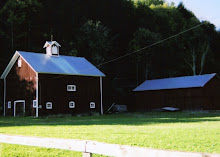
Old Barn In The Country